Skip to content
FREE SHIPPING ON MOST ORDERS TO THE LOWER 48 STATES | ORDERS SHIP IN 1-3 BUSINESS DAYS

Roof Top Tents

A roof top tent transforms your vehicle into a comfortable, elevated campsite, making it easier to enjoy everything from weekend road trips to extended overlanding adventures. From fast setup and improved weather protection to enhanced comfort and overlanding capability, rooftop tents provide a practical solution for adventurers who want to spend less time setting up camp and more time exploring. From short camping escapes to long-distance backcountry adventures, the right roof top tent can elevate every outdoor journey.

RoofTop Tents: Elevated Comfort for Every Campsite

Freespirit Recreation Aspen Lite roof top tent open on Jeep Grand Cherokee in mountains

RoofTop Tents: Elevated Comfort for Every Campsite

Few experiences compare to waking up elevated above the ground, surrounded by fresh air and scenery that no hotel room can replicate. A rooftop tent opens the door to a more comfortable camping experience, regardless of your travel style or destination.

A roof top tent transforms outdoor travel, giving weekend campers, overlanders, and road-trippers a convenient and comfortable place to rest wherever they go.

At PeakGear, the rooftop tent collection is built around that idea, giving every adventurer a fast, comfortable, and reliable place to rest, wherever the road leads.

What Is a Roof Top Tent?

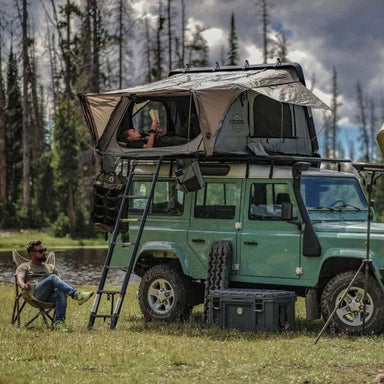
Land Rover Defender with soft shell roof top tent open in nature

What Is a Roof Top Tent?

A roof top tent is a shelter that mounts directly onto your vehicle's roof rack or crossbars, letting you sleep elevated above the ground wherever you park. Unlike traditional tents, a rooftop tent stays attached to your vehicle, ready to deploy in minutes. A major appeal of roof top tents is their ability to fit numerous vehicles, giving SUV, truck, Jeep, and crossover owners an easy way to elevate their outdoor adventures.

Most roof tents come with a built-in mattress, an extendable ladder, and weatherproof materials designed to handle everything from warm summer nights to cold-weather adventures. They're compatible with a wide range of vehicles and load ratings, making them one of the most accessible upgrades for anyone who camps regularly.

For travelers who prefer sharing their outdoor experience, dedicated 2-person roof top tents offer a cozy and efficient camping solution.

Land Rover Defender with soft shell roof top tent open in nature

Why Choose a Roof Top Tent for Camping?

Toyota Hilux with soft shell roof top tent open at night in nature

Why Choose a Roof Top Tent for Camping?

Traditional ground tents have served campers well for decades, but they come with real limitations, including uneven terrain, moisture from the ground, time-consuming setup, and limited protection from insects and animals. Rooftop tent camping solves most of those problems without sacrificing the outdoor experience.

The roof top tent benefits offer several benefits. You sleep elevated above the ground, away from rocks, roots, mud, and crawling creatures. Setup is faster, comfort is higher, and you have better visibility of your surroundings.

For anyone building an off-grid camping setup, a roof tent is often the first and most impactful upgrade they make. It transforms your vehicle into a complete campsite, eliminating the need for ground space or a perfectly level spot to pitch a tent.

Roof Top Tent Benefits for Modern Adventurers

Hard shell roof top tent open on Toyota Tacoma with woman camping in mountains

Roof Top Tent Benefits for Modern Adventurers

As more travelers embrace overlanding and vehicle-based camping, roof top tents continue to stand out for their convenience, comfort, and versatility.

Fast Setup and Pack Down

One of the biggest roof top tent benefits is how quickly you can be ready for sleep. Most models, especially hard shell roof top tents, deploy in under a minute. You stop, unfold or pop up the tent, and climb in.

Packing down the next morning is just as simple. For anyone moving between multiple campsites on a trip, this matters more than almost anything else. A pop-up roof top tent style, in particular, is designed so there are no poles to thread, no stakes to pound, and no guesswork.

Sleep Above the Ground

Rooftop tent camping puts you above the uneven, wet, or hard terrain that makes ground sleeping uncomfortable. The built-in foam mattress in most camping roof tents is far more comfortable than a sleeping pad on the dirt, and sleeping elevated means you're not fighting moisture, cold ground transfer, or insects crawling under your shelter. For families and couples, this upgrade alone is reason enough.

Better Weather Protection

A heavy-duty roof top tent is built to handle the elements in a way that standard tents can't always match.

Roof top tent winter camping is entirely achievable with the right model. Thick canvas, sealed seams, and sturdy frames keep cold air and rain out effectively. If you're shopping for the best roof top tent for rain, focus on models with ripstop fabric, reinforced zippers, and drainage-capable designs. The hard shell collection is worth exploring for four-season reliability.

Perfect for Overlanding Adventures

An overland roof top tent is purpose-built for long-distance travel on rough terrain. If your off grid camping setup includes a capable 4x4 and multi-day backcountry routes, a rooftop tent keeps your campsite always packed and ready. Unpacking wouldn't be required at each stop. It moves with the vehicle, survives rugged roads, and gives you a consistent place to rest, regardless of how remote the location is.

Hard shell roof top tent open on Toyota Tacoma with woman camping in mountains

Roof Top Tent vs Ground Tent: Pros and Cons

Your preferred travel style, campsite conditions, and desired level of comfort will all influence which option makes the most sense. While roof top tents offer several advantages, they also come with a few considerations worth keeping in mind.

Pros of Roof Top Tents

  • Faster setup and takedown compared to most ground tents.
  • Elevated sleeping position keeps campers off wet, uneven, or rocky terrain.
  • Often provide greater comfort with built-in mattresses.
  • Reduced exposure to muddy ground, pooled water, and ground-dwelling pests.
  • Built to withstand the elements, offering dependable protection in diverse outdoor conditions.

Cons of Roof Top Tents

  • Higher upfront cost than traditional ground tents.
  • Added weight on the vehicle roof can affect handling, particularly on rough terrain.
  • Requires a compatible roof rack or crossbar system, which may involve additional expense.
  • Accessing the tent requires climbing up and down a ladder.
  • Limited ability to leave the camp set up if the vehicle is needed for day trips.

For campers who prioritize convenience, comfort, and quick setup, the benefits of a roof top tent often outweigh the drawbacks, making it a worthwhile upgrade for many outdoor adventures.

Comparison Table: 

Feature Roof Top Tent Ground Tent
Setup Time Very fast (often under 1 minute) Slower, requires poles and staking
Sleeping Comfort Built-in mattress, more comfortable Uses sleeping pads on ground
Sleeping Position Elevated above ground On ground level
Weather Protection Strong, all-season options available Varies by model, generally less protective
Terrain Suitability Works well on uneven, wet, or rocky ground Depends on flat, dry ground
Pest Protection Better protection from insects and ground pests More exposure to insects
Mobility Stays mounted on vehicle for easy travel Must be packed and set up each time
Cost Higher initial investment More affordable
Vehicle Impact Adds roof weight and requires rack system No impact on vehicle
Camp Flexibility Harder to leave camp set up without vehicle Easier to leave campsite intact

Types of Roof Top Tents

Land Rover Defender with hard shell roof top tent open on river bed

Types of Roof Top Tents

Knowing which style suits your vehicle and camping habits will help narrow down the right choice.

Hard Shell Roof Top Tents

Hard shell roof top tents are known for their durability, aerodynamic profile, and incredibly fast deployment.

The rigid outer shell protects the tent from road debris and weather when packed down, and springs open into a fully supported sleeping space within seconds. These are among the most premium roof top tents because the shell itself provides structure, though they are usually heavier than soft options.

The PeakGear hard shell collection features models built for all-season use. If you prefer a roof pop up tent style that's quick and low-profile on the road, hard shell is the go-to choice.

Lightweight Roof Top Tents

Lightweight roof top tents are designed for campers who want the elevated sleeping experience without adding significant weight to their vehicle.

Lower overall weight means less impact on fuel economy and better compatibility with lighter crossovers and smaller SUVs. These models are especially popular for weekend adventurers who split their time between daily driving and camping. A lighter tent also puts less strain on roof racks and crossbars over time.

Overland Roof Top Tents

Overland roof top tents are built for serious adventure. They use heavy-duty materials, reinforced stitching, and rugged attachment systems to hold up through extended travel on unpaved terrain.

Paired with a solid off-grid camping setup that includes recovery gear, water storage, and auxiliary power, an overland tent completes a fully self-sufficient vehicle build. Rooftop tent camping at the overland level means you're not dependent on campgrounds, power hookups, or flat ground.

How to Choose the Best Roof Top Tent

Freespirit Recreation Aspen Lite closed on Jeep Grand Cherokee in forest

How to Choose the Best Roof Top Tent

With so many rooftop tents available, a few key factors will help in making the right decision.

  • Vehicle Compatibility: Start here. A roof rack tent needs to match your vehicle's roof rack system. Check load ratings carefully; both the rack and the tent have weight limits that need to align. Most roof top tent listings include compatible vehicle types and rack requirements.
  • Sleeping Capacity: Solo travelers, couples, and families have different needs. A 2-person roof top tent is the most common choice, but some models accommodate three or more. Check floor dimensions before buying, not just the capacity label.
  • Weight Considerations: If fuel economy matters or your roof rack has a lower load rating, go with lightweight rooftop tents. Heavier models offer more features and durability, but aren't ideal for every vehicle setup.
  • Climate and Weather Conditions: Camping roof tents range from three-season designs to four-season models with insulation and storm-resistant construction. Rooftop tent camping in colder or wetter climates calls for a heavier-duty build with sealed seams and thicker fabric.
Freespirit Recreation Aspen Lite closed on Jeep Grand Cherokee in forest

Essential Rooftop Tent Accessories

A rooftop tent is the foundation, but the right accessories turn a good camp into a great one. Rooftop tent accessories extend what your vehicle setup can do and make each trip more comfortable.

  • Vehicle Awnings: A practical addition for campers who want extra living space, providing a convenient retreat for relaxing, preparing meals, or taking cover from the weather.
  • Roof Racks: The foundation of any roof rack tent setup. Quality racks with the right load rating are non-negotiable for safe tent mounting.
  • Telescopic Ladders: Most tents include a ladder, but aftermarket options offer extra height for taller vehicles or more comfortable angles.
  • Camping Storage Solutions: Drawers, storage bags, and cargo systems mounted to your truck bed or undercarriage help maximize interior space while keeping gear organized.
  • Recovery Gear: If the plan is to go off-road, recovery gear including traction boards, hi-lift jacks, and tow straps belongs in every overlander's kit.

Hard Shell Series crossbar kits are a practical starting point for anyone who needs a mounting solution that's purpose-matched to their tent.

Creating the Ultimate Off Grid Camping Setup

Person enjoying mountain view in nature

Creating the Ultimate Off Grid Camping Setup

A rooftop tent is the centerpiece of a great off grid camping setup, but the best builds go further. An overland roof top tent paired with an awning, a bed rack for gear storage, a set of recovery tools, and a reliable power source creates a completely self-sufficient camp platform. You can head into the backcountry for days at a time without relying on infrastructure.

PeakGear is a good starting point to explore the full range of overlanding gear, from truck caps and bed racks to awnings and trailers, designed to work together as a complete system.

Eco-Friendly Camping with Roof Top Tents

Two persons in mountains enjoying the view

Eco-Friendly Camping with Roof Top Tents

Rooftop tent camping naturally aligns with a lower-impact approach to the outdoors. Since you sleep and live out of your vehicle, there is less impact on the ground, with no tent stakes to drive, no campsite clearing required, and minimal disturbance to the surrounding environment.

Eco friendly camping gear is a growing focus for outdoor brands, and rooftop tent design increasingly reflects that. Durable materials that last for years, reduced use of single-use camping products, and a travel style that prioritizes leave-no-trace principles all make rooftop tent camping one of the more sustainable ways to explore.

Two persons in mountains enjoying the view

Shop Premium Roof Top Tents for Your Next Adventure

Land Rover Defender with soft shell roof top tent closed on beach

Shop Premium Roof Top Tents for Your Next Adventure

The right roof top tent makes every trip easier, more comfortable, and more flexible. From short camping getaways to extended overland adventures, a successful trip begins with a tent that matches your vehicle, travel preferences, and typical camping environment.

Browse the full roof top tents collection at PeakGear, including hard shell models, 2-person options, and more. The gear to build your perfect camp is here.

Frequently Asked Questions

Are roof top tents worth it?+

For campers who value comfort, fast setup, and flexibility, roof top tents are absolutely worth the investment. They eliminate the most frustrating parts of traditional camping, such as searching for flat ground, dealing with moisture, and dealing with slow setup and takedown.

Can any vehicle use a roof top tent?+

A wide range of vehicles can accommodate a roof top tent, provided they are equipped with a properly rated roof rack or crossbar system.

The key requirement is a rack system that supports the dynamic weight of the tent while driving, and a vehicle roof that handles the static weight of the tent and sleepers when parked. Always verify roof rack load ratings before purchasing.

How does a rooftop tent differ from a roof tent?+

The terms describe the same style of tent and are often used synonymously. Both refer to tents that mount to the roof of a vehicle. "Roof tent" tends to be the shorter, more informal version of the same product category.

How much weight can a roof rack tent hold?+

This depends on both the tent and the vehicle's roof rack. Most quality roof rack tent setups are rated for 400–600 lbs static load (when parked). Always follow the manufacturer's limits and confirm your vehicle's dynamic roof load rating as well.

Are roof top tents waterproof?+

Quality roof top tents use water-resistant and waterproof materials with sealed seams. Hard shell models offer the highest level of weather protection, while soft shell options with ripstop polyester or canvas also perform well in rain when properly maintained.

Do rooftop tents affect fuel economy?+

Yes, adding any weight and wind resistance to the roof of a vehicle will have some effect on fuel economy.

The impact varies by vehicle, driving speed, and tent design. Low-profile hard shell tents tend to have less drag than bulkier soft shell options.

What accessories do I need for rooftop tent camping?+

At minimum, a compatible roof rack, the telescopic ladder (usually included), and weather-appropriate bedding. Many campers also add awnings, lighting systems, and storage solutions to extend their setup.

Are rooftop tents suitable for year-round camping?+

Many models are, especially heavy-duty hard shell options with insulated designs and four-season ratings. For roof top tent winter camping, look for tents with thick canvas walls, quality zippers, and condensation management.

What Are the Rooftop Tent Pros and Cons?+

Pros

  • Fast and hassle-free setup.
  • Elevated sleeping position for added comfort.
  • Better protection from wet or uneven ground.
  • Ideal for road trips and overlanding adventures.

Cons

  • Higher cost than most ground tents.
  • Adds weight to the vehicle roof.
  • Requires a compatible roof rack system.
  • Occupants must use a ladder to access the tent.

Overall, the rooftop tent pros and cons come down to balancing convenience and comfort against the additional cost and vehicle requirements.

OVERLANDER OWNED & OPERATED

25+ Years Experience

BEST PRICE GUARANTEE

Found it cheaper? Tell us. We'll beat it

FAST & FREE SHIPPING

To the lower 48 states

30-DAY EASY RETURNS

Changed your mind? Send it back